Becontree Primary School
Rights Respecting School
Rights Respecting School Award
The Rights Respecting Schools Award (RRSA) recognises achievement in putting the United Nations Convention on the Rights of the Child (UNCRC) at the heart of a school’s planning, policies, practice and ethos.
Follow the UNICEF link to read more about children’s rights in school.
We were awarded the Rights Respecting Silver Award on the 10th July 2026
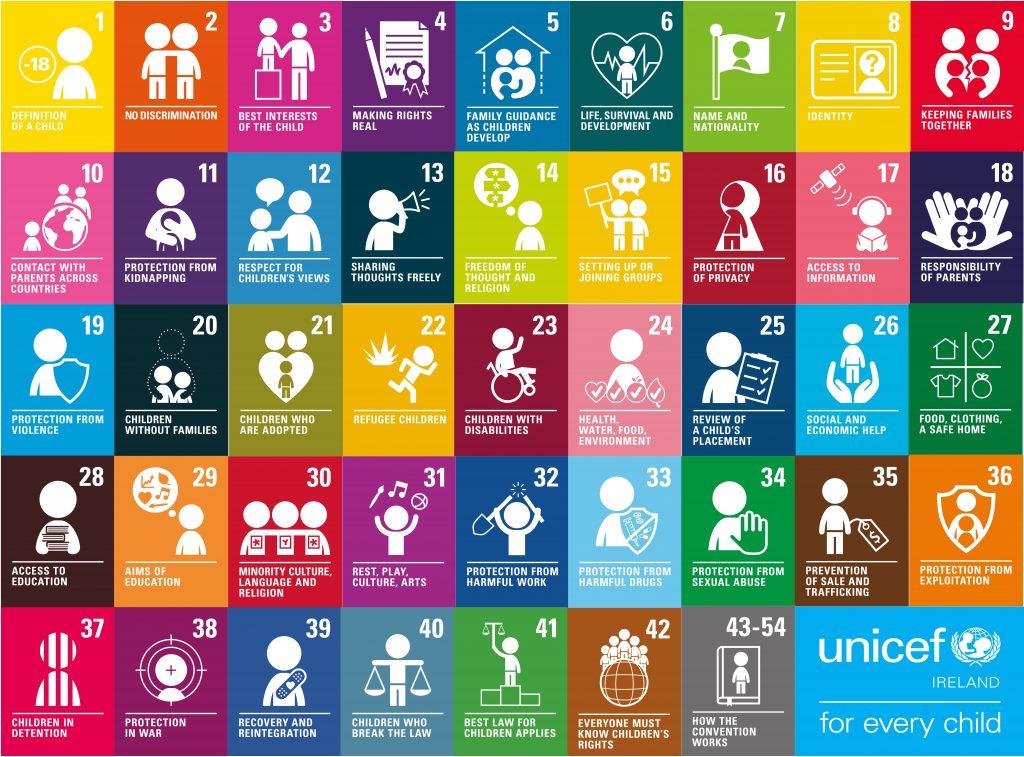
The Convention has 54 articles that cover all aspects of a child’s life and set out the civil, political, economic, social and cultural rights that all children everywhere are entitled to. It also explains how adults and governments must work together to make sure all children can enjoy all their rights.
Every child has rights, whatever their ethnicity, gender, religion, language, abilities or any other status.
The Rights Respecting Schools Award
The Rights Respecting Schools Award supports schools to embed the Convention in their practice to improve wellbeing and help all children and young people to realise their potential.
The Award takes a whole school approach to child rights and human rights education. Child rights education can be defined as learning about rights, through rights and for rights within the context of education as a right.
It aims to build the capacity of children and young people as rights-holders to claim their rights, and the capacity of adults as duty bearers to fulfil their obligations. Child rights education helps adults, children and young people to work together. In this way it provides the space and encouragement for the meaningful participation and sustained civic engagement of children and young people.
What Are the Children’s Rights?
The Convention has 54 articles that cover all aspects of a child’s life and set out the civil, political, economic, social, and cultural rights that all children everywhere are entitled to.
There are four key areas of impact for children at a Rights Respecting school; wellbeing, participation, relationships and self-esteem.
- Children are healthier and happier
- Children feel safe
- Children have better relationships
- Children become active and involved in school life and the wider world
Children and Young People- Your Rights!
These videos explain to you what your rights are.
What Can Parents Do?
Please support us by discussing the rights of the child with your child, and help to teach them how to respect their rights and the rights of others.
Please support them to follow the school Beahviour and Learning Expectations and our School Vision and Values so that Becontree Primary School can be a happy place where everyone’s rights are respected.
Through our parent newsletters you can find out when the children have been focusing on particular rights, and what you can do to support their learning.
For more information about Rights Respecting Schools please visit the website: http://www.unicef.org.uk/rights-respecting-schools
What Can Staff Do?
All staff are responsible for upholding children’s rights as Duty Bearers in the school. This means that staff have a duty to protect the rights of the children they care for, ensuring others understand how their rights are universal, inherent, inalienable, unconditional and indivisible.
Useful Websites
https://www.unicef.org/child-rights-convention/convention-text-childrens-version